
Tight Access Trenching in Peppermint Grove
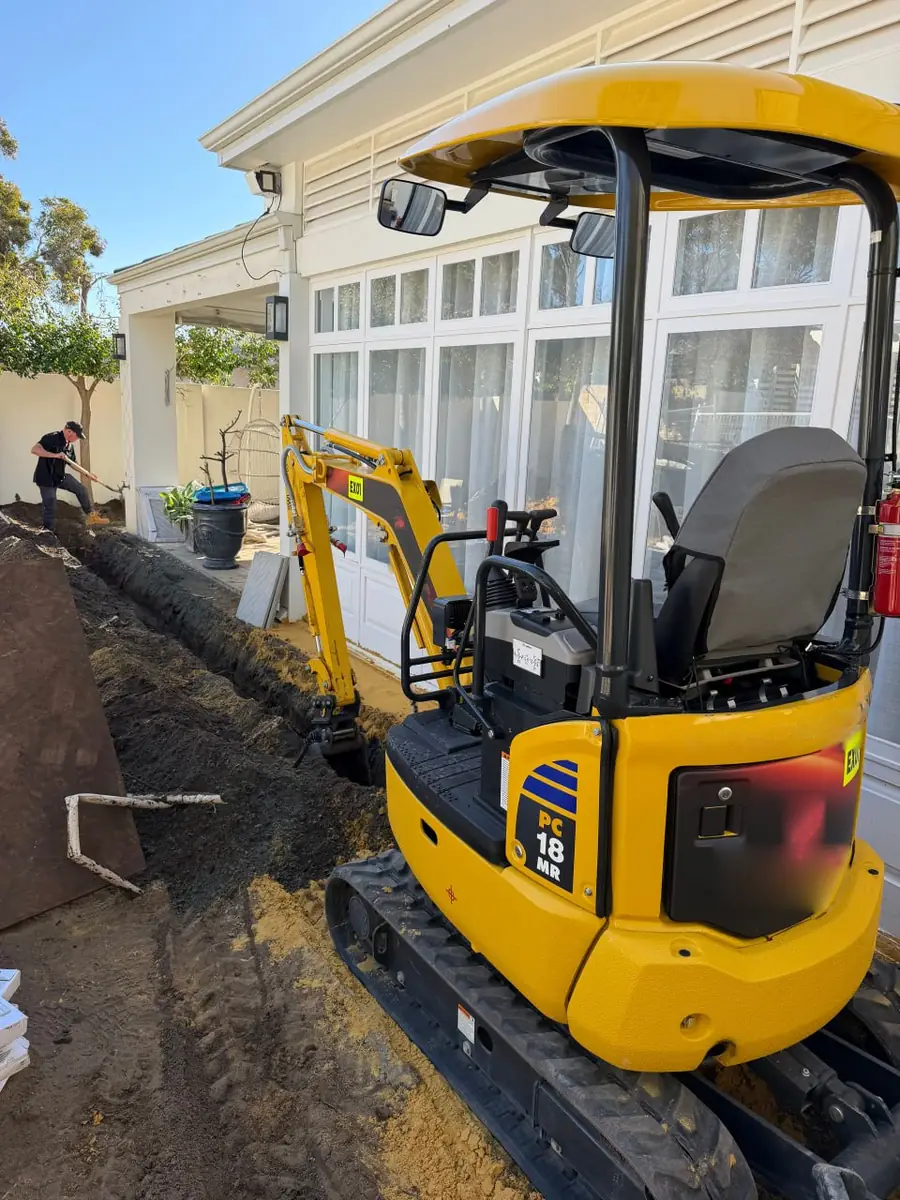
Trenching for a plumbing line and a reticulation water system, right around a property whose only entry was a gap the machine had to narrow to roughly 990mm to pass.
Call Us Now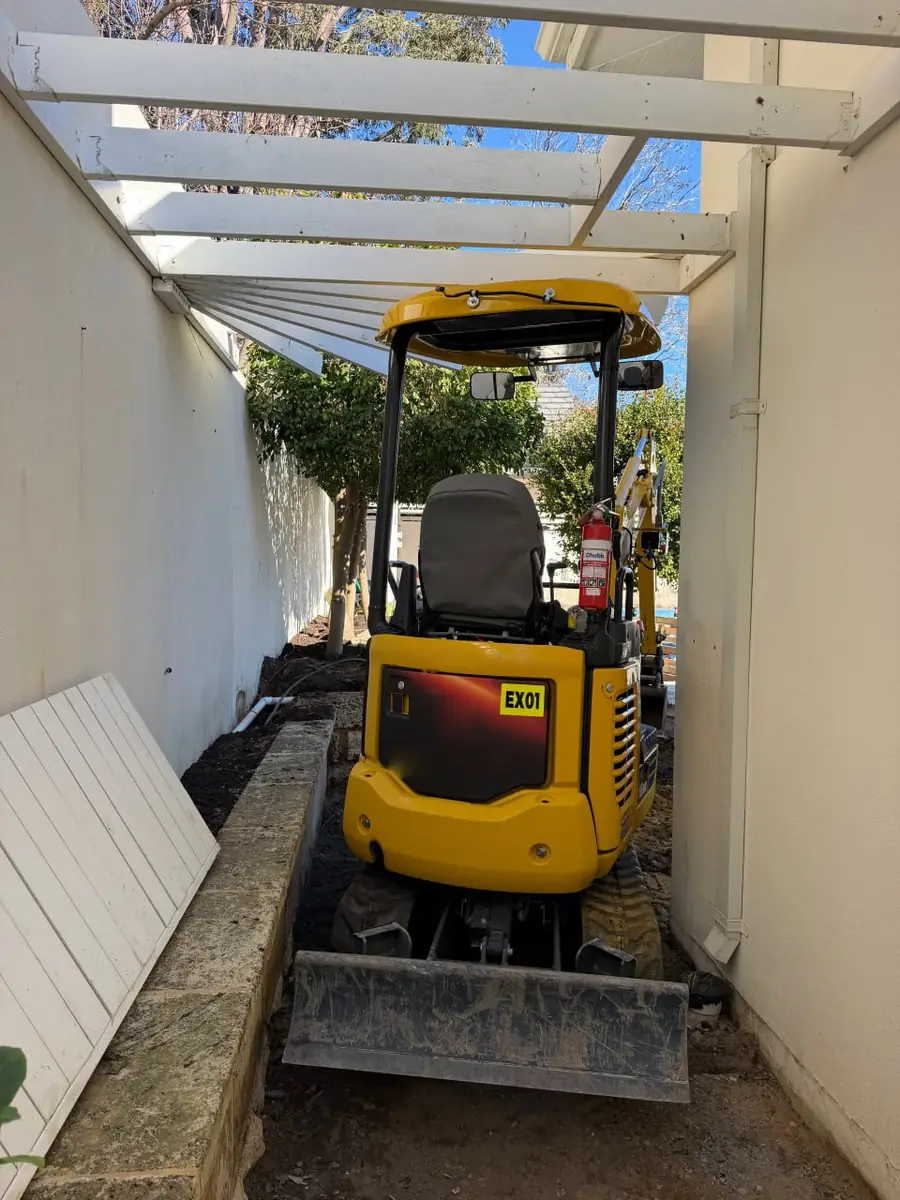
The Job File
- Job type
- Trenching for plumbing and reticulation
- Site
- Residential property, Peppermint Grove
- For
- A contractor
- Machine
- 1.8 tonne excavator with retractable tracks
- Access
- Tracks retract to roughly 990mm to get on site
- Services
- Located by the contractor before we started
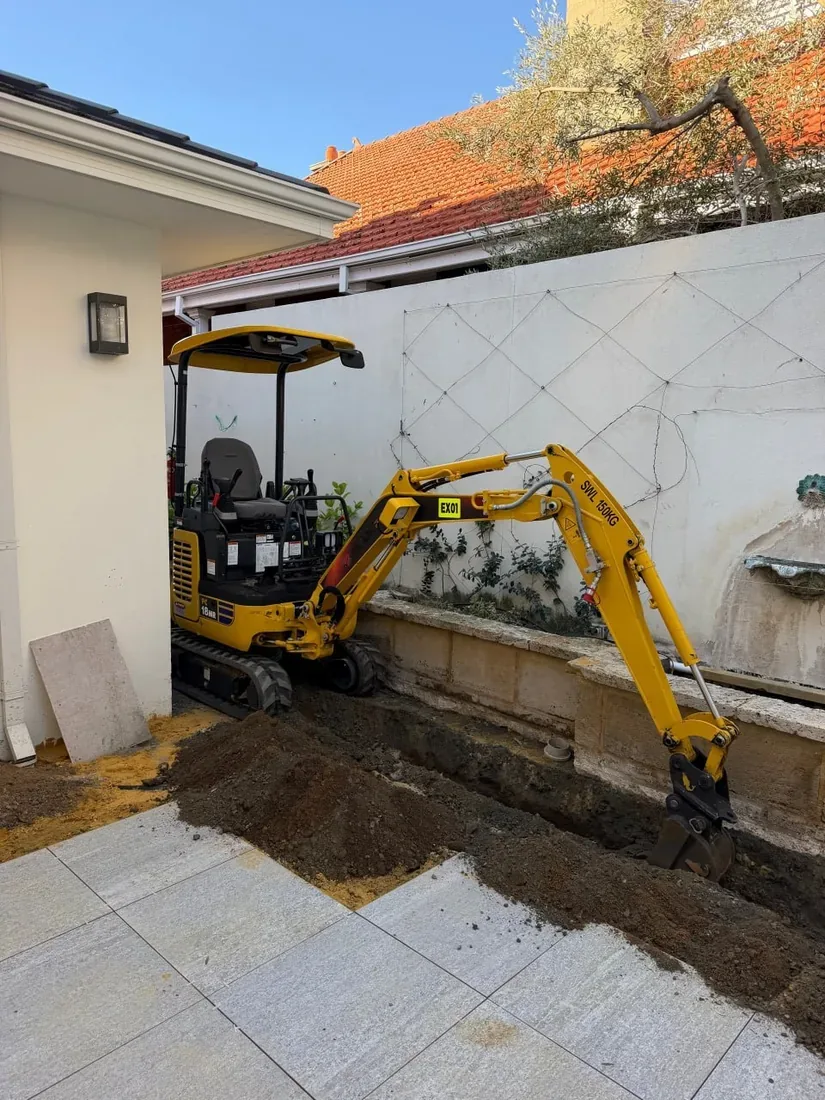
Trenching for a plumbing line and a retic water system, right around a property where the only way in was narrow enough that the machine had to physically shrink to get through it. Restricted access is the most common reason a job like this gets quoted as a hand dig.
The Job Is Not the Trench, It Is Getting In
Trenching around a property is ordinary work. The trench itself is not what makes a job like this difficult.
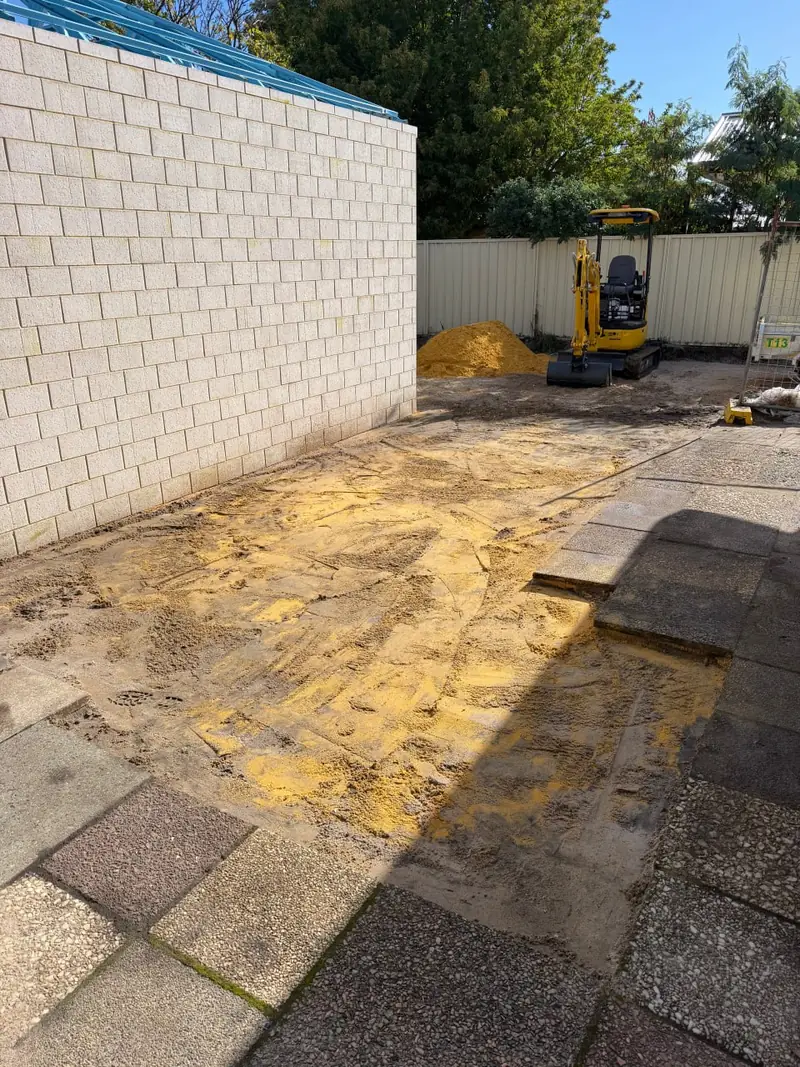
What makes it difficult is that the only route onto the property was a gap most machines simply do not fit through. Once a machine cannot get in, the trench stops being a machine job and starts being a hand dig, and hand digging a run right around a property is slow and expensive.
Measure the Narrowest Point, Not the Gate
The limit is usually not the gate itself. It is a meter box, a downpipe, a rainwater tank or an air conditioning unit somewhere along the side that pinches the gap tighter than the entrance. That is the measurement that matters.
How a Machine Gets Through a Gap It Does Not Fit
The 1.8 tonne machine has retractable tracks. The undercarriage pulls in to roughly 990mm, which is narrow enough for a standard side gate or the gap between a house wall and a boundary wall.
It then widens back out once it is through. That second half matters more than the first. A machine that is permanently narrow is working at the limit of its stability every time it slews with a full bucket, whereas one that widens back out digs on a proper footprint and behaves like a normal machine for the rest of the job.
So the sequence is: narrow to get in, widen to work. That is the whole trick to tight access, and once the machine is in and back out to width, it becomes an ordinary trenching job.
Underground Services Before Any Trenching Starts
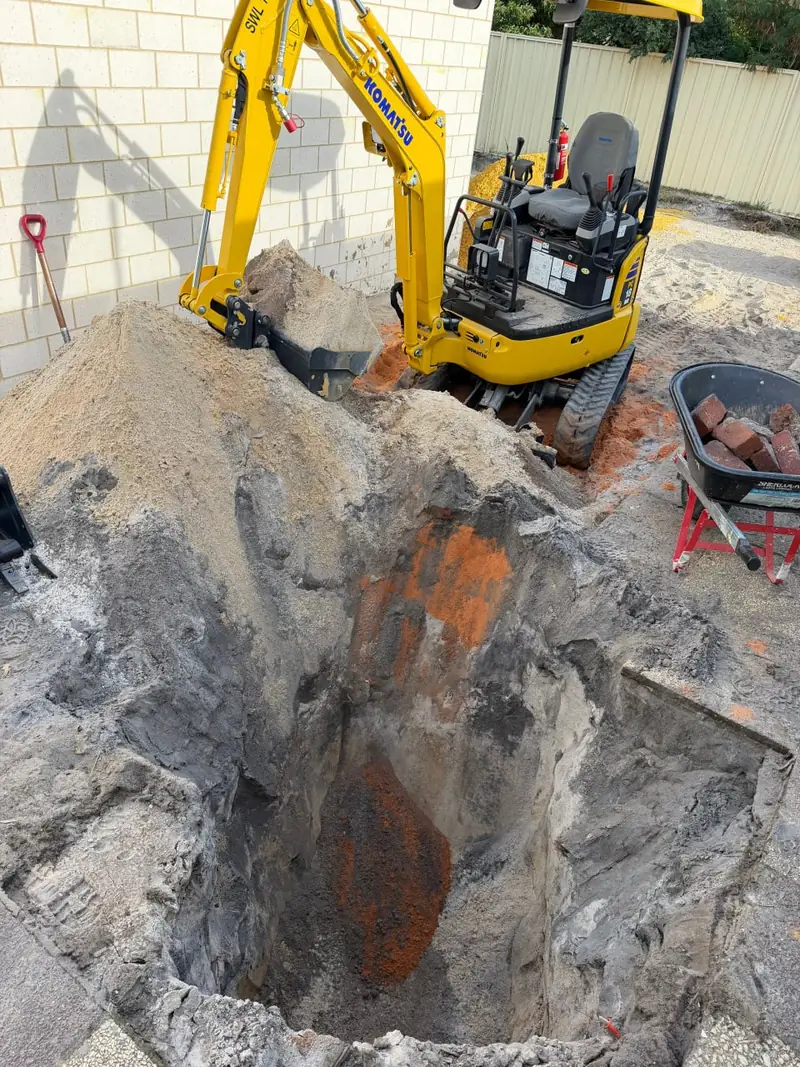
On this job the contractor handled service location. They had the due diligence done before the machine turned up, which meant the trench could go in without working around unknowns.
Who arranges that varies by job. It is worth settling before anyone starts rather than on the day, because it changes both the sequence and who carries the risk.
This Is a Description, Not Advice
How underground services must be located, and by whom, is set by the rules that apply to the site and by whoever holds that responsibility for the works. We are telling you how this job was arranged, not telling you how yours should be.
How We Did It, Step By Step
The order matters more than the machine. This is how a job like this gets approached.
- 01
Measure the Tightest Pinch Point
Walk the access route and find the narrowest point along it, not just the gate. Meter boxes and downpipes are usually what decides it.
- 02
Confirm Services Are Located
Settle who has arranged service location and that it is done, before the machine is on site.
- 03
Retract and Walk the Machine In
Tracks pull in to roughly 990mm and the machine goes through the gap under its own power.
- 04
Widen Back Out Before Digging
Once through, the undercarriage goes back out to full width so the machine digs on a stable footprint rather than at its limit.
- 05
Trench the Run
With the machine in and at width, it is an ordinary trenching job around the property.
- 06
Narrow Again and Walk Out
Same process in reverse, leaving the access route as it was found.
More From This Job
The rest of the frames off this one. Swipe or use the arrows, and tap any photo to open it full screen.
Questions About Jobs Like This
The 1.8 tonne machine retracts to roughly 990mm. That covers a standard side gate and most gaps between a house and a boundary wall. If your tightest point is under that, it is worth measuring it and telling us before we quote.
At the narrowest point along the whole route in, not at the gate. A meter box, downpipe, tank or air conditioning unit part way down the side is usually what actually sets the limit.
It retracts to get in and widens back out to work, so it digs on a full footprint. A machine that stayed narrow would be working near its limit every time it slewed loaded.
Usually, and the gap widens the longer the run is. Hand digging a trench right around a property is a lot of hours. Getting a machine in changes it back into a normal job.
A 1.8 tonne machine on rubber tracks spreads its weight far better than most people expect. Worth talking through what the access route is surfaced with before the day.
AI Overview
Access was restricted to the point that the machine had to retract its tracks to roughly 990mm to get onto the property at all. Trenching completed right around the property, on a site a larger machine could not have entered.
Key Highlights
- Trenching for plumbing and reticulation around the whole property
- 1.8 tonne excavator with retractable tracks, roughly 990mm at its narrowest
- Goes in narrow, widens back out to dig on a stable footprint
- Fits a standard side gate or the gap between a house and a boundary
- The alternative on a site like this is usually hand digging
- The contractor had the underground services located before we started
Summarise This Job With AI
Open this job in your AI assistant for a plain-language summary and a straight answer on whether the same approach suits your site.
What This Job Involved
Wet Hire Perth
Wet hire in Perth - machine plus trained operator on site. Komatsu excavators, bobcats and tippers available. Call us direct for a fast quote.
Wet Hire Perth
Trenching & Drainage Perth
Trenching for pipes, cables, drainage and stormwater across Perth. Komatsu excavators with trained operators. Fast quotes and on-site response.
Trenching & Drainage Perth
Mini Excavator Hire Perth
Mini excavator hire Perth - Komatsu PC18 1.8t for tight backyards and side access. Rock breaker available. Wet or dry hire, call us now.
Mini Excavator Hire Perth
Excavation & Earthworks Perth
Excavation and earthworks across Perth - site cuts, house pads and bulk earthmoving. Komatsu excavators with trained operators. Get a fast quote.
Excavation & Earthworks PerthOther Past Jobs
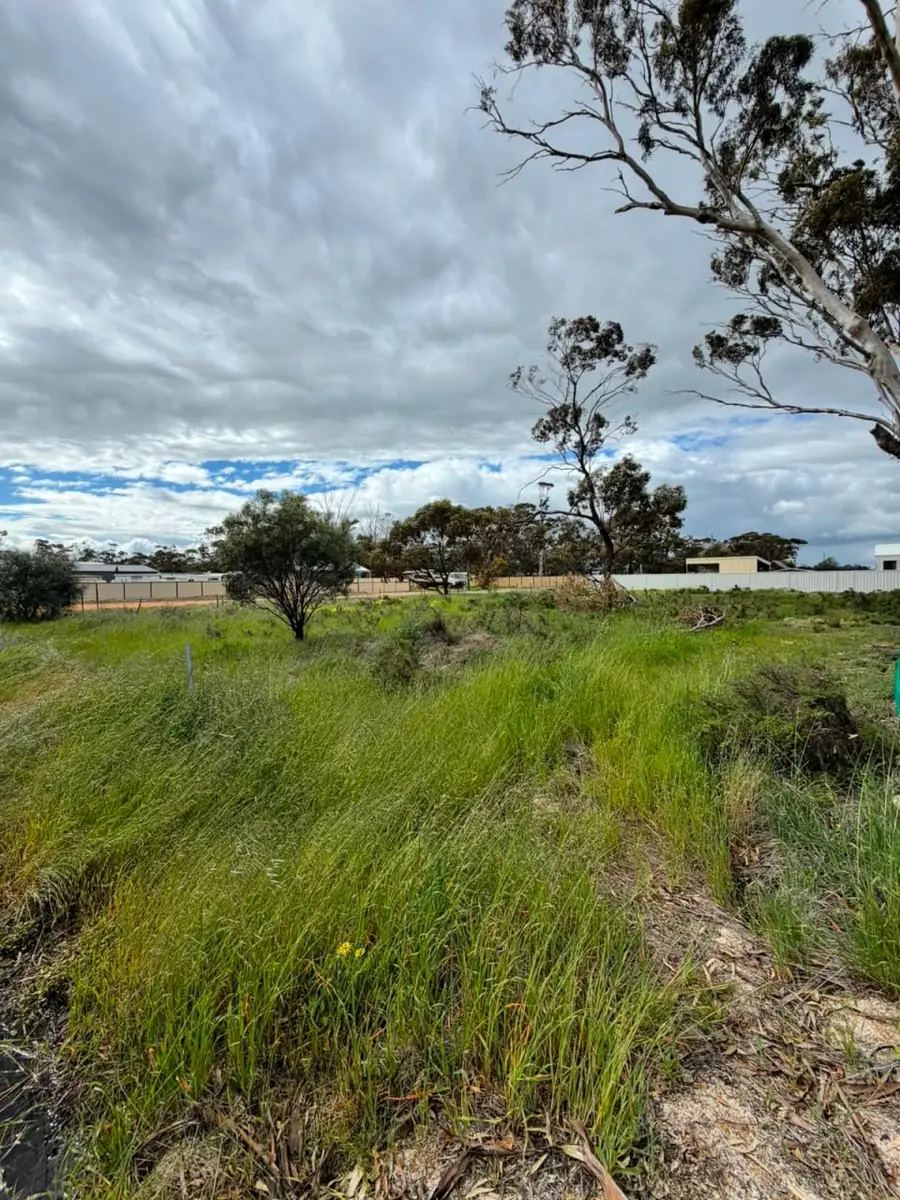
Three Acres of Land Clearing in Gingin
Three acres of grass, scrub and gum trees at Gingin taken back to bare dirt. Posi-track for the bulk, 5.5 tonne excavator on the stumps, tipper carting the spoil and the rubbish off as it came up.
Read The Job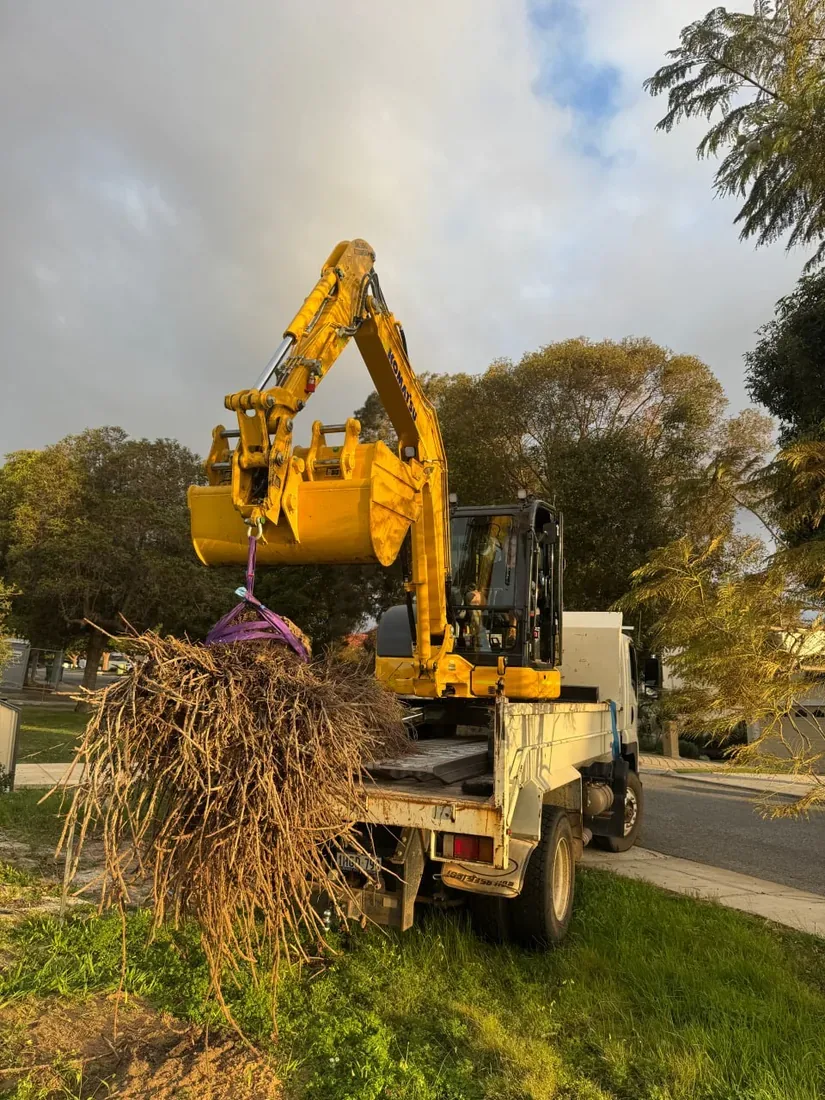
Land Clearing and Stump Removal in Mount Hawthorn
Cleared and levelled a subdivision block in Mount Hawthorn, including stumps sitting about two inches off an existing driveway that had to survive the job.
Read The Job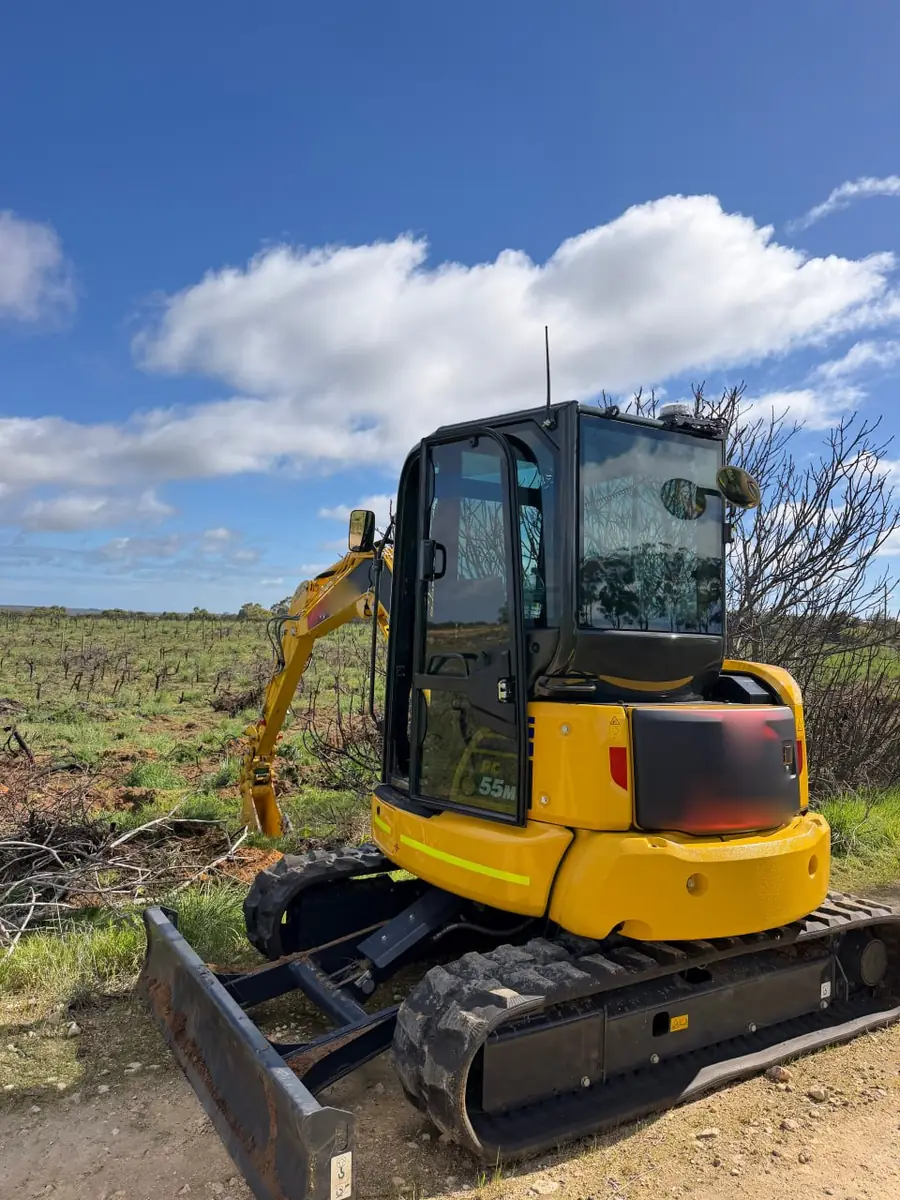
Two Acres of Vineyard Removal in Gingin
Took out roughly two acres of disused vineyard at Gingin and levelled the site off so the owner could put retic in and grass it over.
Read The JobGot A Job Like This One?
We prefer calls, get straight through to the team. Reliable machines. Experienced operators. Jobs done right.